
Zurich City Travel Guide: Switzerland's Most Exciting Destination for 2027
-
Capital of Switzerland
Bern
-
Currency
Swiss Franc (CHF)
-
Main Airport
ZRH (12 km)
-
Peak Season
June to August
-
Public Transport
Tram, S-Bahn, Boat
-
Budget Level
Premium
In This Zurich Guide
- Why Zurich Works for Every Type of Traveller
- Top Attractions and Sights
- Zurich's Best Districts to Explore
- Annual Events and Festivals
- Getting Around Zurich
- Where and What to Eat
- Nightlife: What to Expect After Dark
- Shopping: From Luxury to Local
- Day Trips and Mountain Excursions
- Where to Stay in Zurich
- Practical Tips and Safety
- Zurich City Guide: FAQs
Zurich: What This City Actually Offers Tourists
Zurich sits at the northern tip of a glacial lake, with Alpine views on clear days and a charming Old Town packed with over 1,500 years of history. This guide covers the essentials for first-time and returning visitors, from top attractions and seasonal events to nightlife, restaurants, day trips, and practical tips for getting around one of Europe's more expensive cities.
Switzerland's most visited city recorded 7.5 million overnight stays in 2025, a new annual high, reflecting its position as both a major business hub and an increasingly popular leisure destination. The city sits within easy reach of some of Europe's best skiing, has a cultural offering that punches well above its population of around 430,000, and runs a public transport network so reliable it's a model for the rest of the world. For a deeper look at how to explore the city's main sights, check out the Flight4 itinerary guide to help maximise your visit.
Flight4 Tips: This guide covers what makes Zurich worth the price, which parts of the city to prioritise, when to go, what to eat, where the nightlife actually is, and which day trips are worth the train fare.
Please note: The following information, including descriptions, prices, opening times, and event dates, is subject to change. Attraction information is for guidance only; always confirm prices, suitability and availability directly with the venue, transport providers, or official tourism website before travel.
Why Zurich Works for Every Type of Traveller
Most visitors arrive expecting a clean, expensive, slightly corporate city. What they find is something more interesting. Zurich has a genuine street culture, a techno scene serious enough to rival Berlin for one weekend a year, a lake you can swim in from public access points in summer, and an Old Town that has stayed cohesive without becoming a theme park version of itself.
The city also has an unusual geographic advantage. Uetliberg, Zurich's local mountain, is 20 minutes by train from the main station and gives views across the Alps. Lucerne is 45 minutes away. Ski resorts are under two hours. This makes Zurich both a standalone destination and a natural base for exploring the wider country, without requiring a car or complex planning.
Who Comes to Zurich and Why
The city attracts a wider demographic than its smart business reputation suggests. Culture-focused couples in their 30s and 40s come for the Kunsthaus, Fraumünster, and the restaurant scene. Younger adults come for the nightlife around Langstrasse and Zürich-West, and for the Street Parade in August. Families appreciate the lake, the tram network, and the day trip options. Older visitors find the city exceptionally well-organised and easy to navigate without a car.
Solo travellers do particularly well here. The city is safe, the locals speak excellent English, and a tram ride and a walk through Niederdorf on a weekday evening involves minimal effort and consistent rewards. The compact size means you are never far from the next thing worth seeing.
Flight4 Tip: Zurich is expensive but not as inaccessible as its reputation suggests. Several of the best experiences cost nothing: Lindenhof Hill, the Old Town lanes, the lake promenade, the Bürkliplatz Saturday market. Build your trip around a mix of paid attractions and these free anchors and the daily budget becomes much more manageable.
Top Attractions and Sights in Zurich
Zurich's sights divide neatly into the Old Town core, the lakefront, the museum quarter, and the outlying areas reachable by tram or train.
None of the major sights require a full day on their own, which means a well-planned visit can cover significant ground in two days without feeling rushed. The Zurich attraction ticket guide covers pricing, skip-the-line options, and which city passes offer genuine savings.
The Old Town and Historic Core
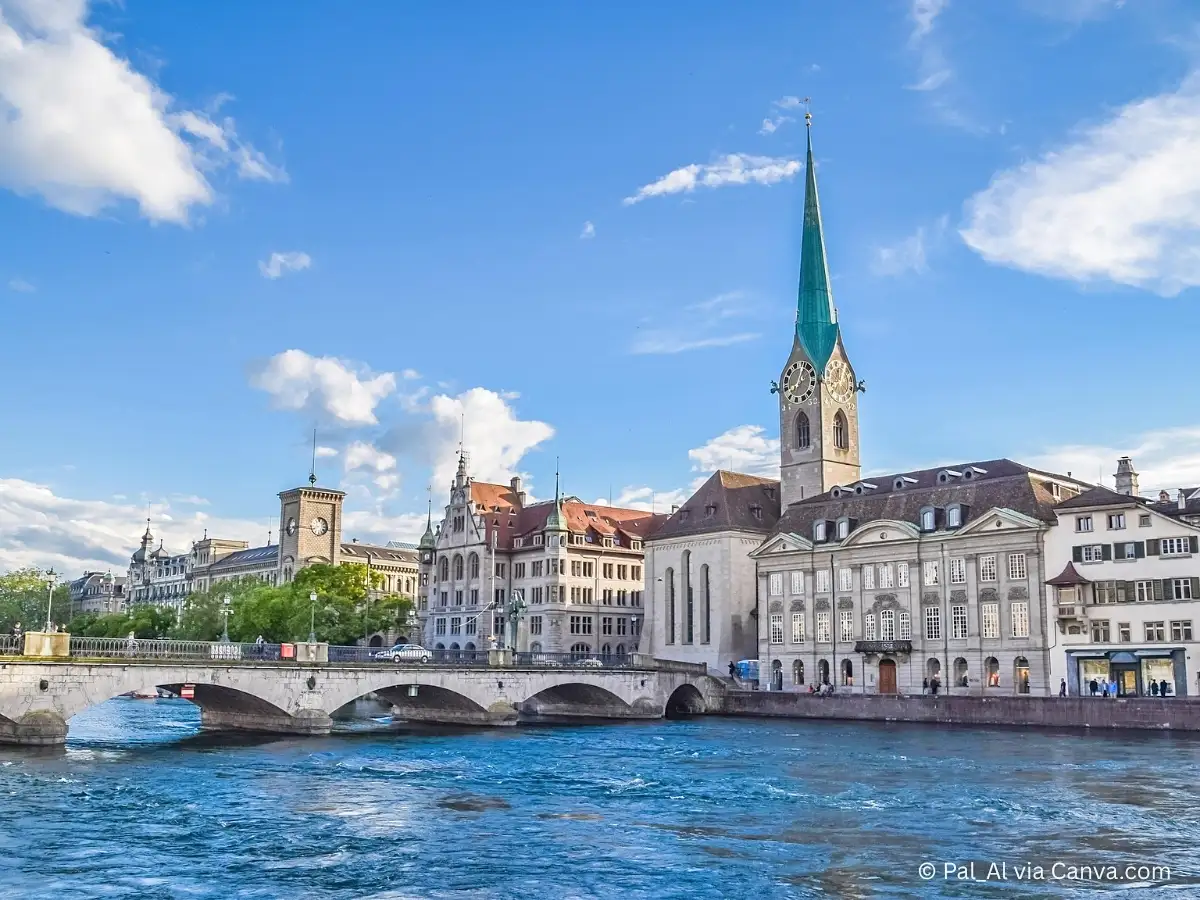
Grossmünster is the most recognisable building in the Zurich skyline: a Romanesque cathedral with twin towers you can climb for panoramic views over the city and the Limmat. The interior is austere but historically significant as the starting point of the Swiss Reformation under Zwingli. Climb the south tower for the best view. Entry to the tower costs a few francs and is worth every one of them.
Fraumünster, directly across the river, is the other essential church visit. It is smaller and less dramatic from outside, but it houses five stained-glass choir windows designed by Marc Chagall in 1970. They are among the most important sacred artworks in Switzerland and genuinely worth seeing in person, particularly in morning light.
Lindenhof Hill is a hilltop park on the west side of the Old Town with free access, Roman-era significance, and the best view of the Grossmünster and the Limmat from street level. It is calm on weekday mornings and more populated on summer evenings. Worth 30 minutes of any itinerary.
Niederdorf, the pedestrianised lane network on the east bank of the Limmat, is the social heart of Old Town. The narrow streets are lined with cafes, restaurants, bars, and independent shops. Walk it by day for the architecture and by evening for the atmosphere.
Museums and Cultural Institutions
| Museum | Focus | Approx. Entry (CHF) | Highlight |
|---|---|---|---|
| Kunsthaus Zürich | Fine art, modern and contemporary | Free to CHF 36 | Largest art museum in Switzerland; Giacometti, Monet, Picasso collections |
| Swiss National Museum | Swiss history and culture | CHF 13 | Largest collection of Swiss historical artefacts; stunning 19th-century building |
| Museum Rietberg | Asian, African, and world art | CHF 18 | One of Europe's finest collections outside Western art traditions |
| Beyer Clock and Watch Museum | Swiss watchmaking history | CHF 10 | Housed beneath Bahnhofstrasse; 500 years of timekeeping history |
| Lindt Home of Chocolate | Swiss chocolate heritage | CHF 17 | World's largest chocolate fountain; interactive exhibits; factory adjacent |
Lake Zurich and the Waterfront
Lake Zurich is not a backdrop. It is an active part of the city's daily life. In summer, locals swim from designated Strandbäder (lake baths), many of which have changing facilities and cafe-bars. The lake steamer network connects the city centre with towns along the southern shore, all covered by the ZVV transport pass. The Seepromenade walk from Bürkliplatz along the east bank gives views across the water to the Alps on clear days and passes several outdoor seating areas worth stopping at. For organised lake cruises and guided sightseeing tours from Zurich, booking in advance is advisable in summer.
Uetliberg: Zurich's Local Mountain
The S10 train from Zurich Hauptbahnhof reaches Uetliberg station in around 23 minutes. From there, a 15-minute walk brings you to the summit at 869 metres. On a clear day you can see the Alps, the Jura, and the full spread of Lake Zurich below. There is a viewing tower, a restaurant, and walking trails connecting to Felsenegg (where a cable car descends to Adliswil). Carry a light jacket regardless of city temperatures, as the ridge can be cooler and windier than it looks. This is one of the best free-to-access views in Switzerland from a city base.
Flight4 Tip: Visit Grossmünster and Fraumünster on the same morning. They are five minutes apart on foot across the river. Morning light hits the Chagall windows in Fraumünster particularly well between 10:00 and 11:00. After both churches, walk north through Niederdorf and finish at Lindenhof for views before lunch.
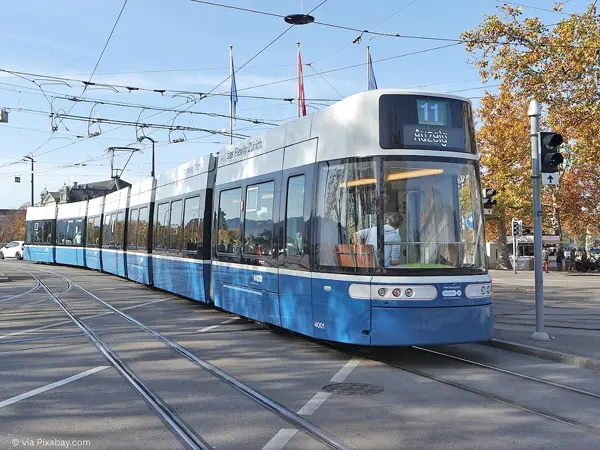
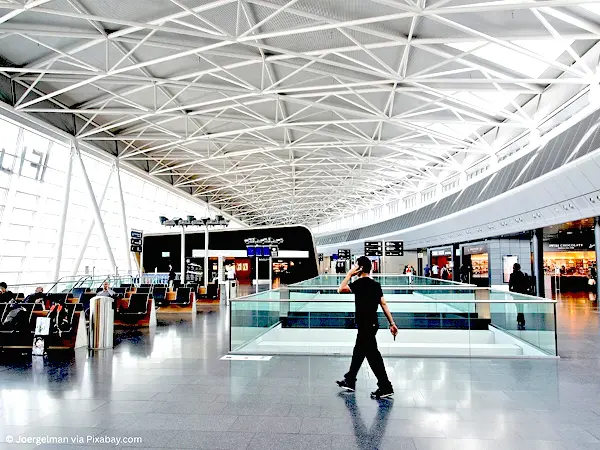
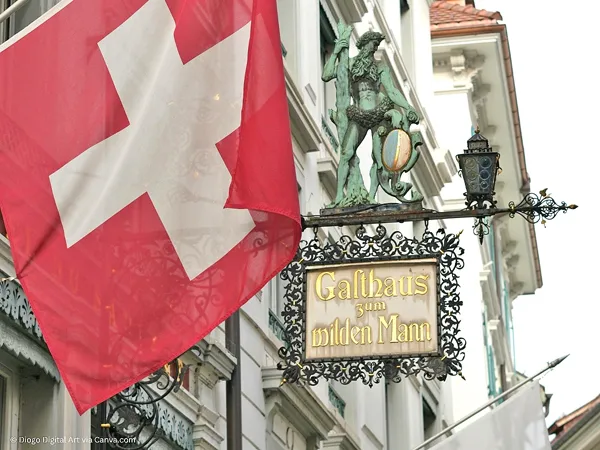
Zurich: A Complete City Guide in Pictures

Zurich's Best Districts to Explore
Zurich divides into numbered districts (Kreise), each with a distinct character. You do not need to visit all of them. The following five cover the full range of what the city offers tourists.
Altstadt (Old Town) -- Kreis 1
The historic core, split by the Limmat into two halves. The west side (Lindenhof) contains the Roman hill, the Guildhall area, and the approach to Bahnhofstrasse. The east side (Niederdorf and Grossmünster) is denser with tourist interest: narrow lanes, medieval buildings, independent restaurants, and most of the Old Town nightlife. Compact, very walkable, and easily the highest concentration of things to see in the shortest distance. Hotel prices here reflect that, but proximity to everything makes it worthwhile for short trips.
Langstrasse and Kreis 4
Zurich's most multicultural district and the centre of its nightlife scene. Langstrasse itself has evolved significantly from its earlier reputation as a red-light district. Today it mixes bars, independent restaurants, vintage shops, and international food options with genuine street energy. By day it feels relaxed and slightly edgy. By night it is where most of the city's serious nightlife is concentrated. Good for younger travellers and those who want to eat well without paying Old Town prices.
Zürich-West -- Kreis 5
A former industrial district transformed over the past two decades into a creative hub. The Schiffbau, an old shipbuilding factory repurposed as a cultural centre, anchors the area. You find design studios, rooftop bars, gallery spaces, weekend markets, and some of the city's most interesting restaurants here. The vibe is younger and more experimental than the Old Town. The nightclub scene overlaps with Langstrasse. Worth visiting on a Friday or Saturday evening to experience the contrast with the more polished city centre.
Seefeld -- Kreis 8
The lakeside neighbourhood east of the city centre is quieter and more residential, with a strong cafe culture, boutique hotels, and direct access to the lake promenade. Favoured by couples and those who want lake views without the crowds of central Zurich. The Strandbad Tiefenbrunnen is one of the best public lake swimming areas. Several good independent restaurants operate here without the tourist pricing of the Old Town.
Höngg and Wipkingen -- Kreis 10 and 11
These residential neighbourhoods stretching along the right side of the Limmat River are less visited by tourists but offer a more authentic picture of daily Zurich life. Wipkingen boasts a hip, laid-back riverside scene with cosy spots like Café des Amis, while Höngg climbs up the hillside, offering quieter streets and spectacular panoramic views of the city from the Waid vantage point. Lower accommodation prices and easy tram access to the centre make Kreis 10 worth considering for longer stays or for travellers who prefer to avoid tourist density.
Zurich Annual Events and Festivals
Zurich has a genuine events calendar that runs all year, anchored by a handful of major festivals that draw visitors from across Europe. Several are worth timing your trip around specifically.
| Event | Month | Type | Notes for Visitors |
|---|---|---|---|
| Sechseläuten | April | Traditional spring festival | Guild parade through Old Town; Böögg snowman burning at 18:00 on Sechseläutenplatz. Free to watch from the streets. Takes place on the third Monday of April. |
| Caliente! Latin Festival | June | Music and food festival | Europe's largest Latin festival; free entry; central location; excellent food stalls and live music, some events require a paid ticket. |
| Zürcher Theater Spektakel | August | International theatre festival | Outdoor theatre on Landiwiese by the lake; mix of free and ticketed performances. Running since 1980. |
| Street Parade | August (second Saturday) | Techno music parade | World's largest techno parade; around 900,000 attendees; Love Mobiles circle the lake basin. Book accommodation months ahead. |
| Weltklasse Zürich | August/September | Athletics | Diamond League athletics meeting at Letzigrund Stadium; world record attempts are common. |
| Zurich Film Festival | September/October | International cinema | 11-day festival; around 160 films; major networking event for European film industry. Most screenings require tickets. |
| Knabenschiessen | September | Traditional shooting festival | Zurich's largest annual public festival; traditional youth marksmanship competition; large fairground at Albisgütli. |
| Christmas Markets | December | Seasonal markets | Markets at Hauptbahnhof (inside the station), Sechseläutenplatz, and Niederdorf. The station market is notably atmospheric. |
Flight4 Tip: Street Parade weekend in August transforms Zurich completely. Hotels within walking distance of the lake fill months in advance. If the festival itself is your reason for coming, book as early as possible. If you are not specifically coming for Street Parade, avoid that weekend unless you enjoy the largest techno event in the world somewhat unexpectedly.
Getting Around Zurich
Zurich's public transport system is genuinely one of the best in the world. The ZVV (Zürcher Verkehrsverbund) integrates trams, buses, S-Bahn suburban trains, lake ferries, cable cars, and funicular railways into a single ticketing system. One ticket covers all of them within the relevant zones. Everything runs on time. The full Zurich transport guide covers tickets, routes, the ZVV day pass, and the Swiss Travel Pass in detail.
Trams: The Backbone of the Network
Zurich has 15-plus tram lines covering the city centre and most tourist areas. They are frequent (every 7-10 minutes on main routes), clean, and mostly highly modern. The tram is the best way to move between Old Town, Zürich-West, Langstrasse, and the lakefront.
Lake Ferries and the Limmat Boat
The Zürichsee-Schifffahrtsgesellschaft (ZSG) operates passenger ferries across Lake Zurich from spring through autumn. All ZVV zone tickets are valid for the ferries on relevant zones. The Limmat boat service runs from Zürich Hauptbahnhof through the Old Town to Bürkliplatz and is one of the most scenic ways to see the city centre from the water. Both services are covered by the Zürich Card day pass.
Tickets and Passes for Tourists
| Pass / Ticket | Covers | Approx. Cost | Best For |
|---|---|---|---|
| Single ticket (Zone 110) | 1 journey within city zone | CHF 2.80 (short 30 mins) CHF 4.60 (1 hour) | Occasional use |
| ZVV Day Pass (1 zone) | Unlimited travel in city for 24 hours | CHF 9.20 | Full sightseeing days around town |
| Zürich Card (24/72 hrs) | Zone 110 + 121 (airport transfer + museum discounts) | CHF 29 / CHF 56 | Full days - museum-focused visits |
| Swiss Travel Pass | Unlimited national trains, buses, lake boats, plus ZVV travel | From CHF 244 (3 days) | Multi-city Switzerland trips |
Buy tickets from machines at every stop or via the ZVV or SBB mobile apps. Validate before boarding. Inspectors check regularly. Airport to city centre takes around 12 minutes by S-Bahn from Terminal 2 and is included in a valid zone ticket covering Zones 110 and 121.
For passengers arriving by air, the Zurich airport transfer guide covers all options from private transfers to public rail in detail.
Flight4 Tip: If you are spending two or more days primarily in Zurich, the ZVV Day Pass at CHF 9.20 per day represents excellent value against the cost of three or four individual journeys. If you are combining Zurich with Lucerne, Interlaken, or other Swiss cities, calculate whether the Swiss Travel Pass pays back -- it often does on a five-day trip.
Where and What to Eat in Zurich
Eating in Zurich costs more than in most European cities. A sit-down lunch at a mid-range restaurant typically runs CHF 30–45+ per person including a drink. Dinner at a good restaurant is CHF 60–90+. This is the baseline for mid-range dining (less expensive options are available, in general eating out leans towards expensive). The good news is the quality is consistent and the city has a genuinely broad culinary range. For restaurant recommendations by area and cuisine, the Zurich dining guide covers the full picture including budget options and local speciality restaurants.
Traditional Swiss Food Worth Trying
The local food culture centres on a few dishes that deserve attention beyond their tourist-menu versions. Zürcher Geschnetzeltes is the signature dish: thin slices of veal in a cream and white wine sauce, served with Rösti (Swiss potato cake). It appears on almost every Old Town menu and varies enormously in quality. Fondue is a winter staple rather than a year-round dish in Zurich, though you can find it in specialist restaurants throughout the year. Raclette (melted cheese served with potatoes and pickles) is similarly worth seeking out in the colder months. For lighter options, the city's bakeries open early and serve excellent bread, pastries, and open sandwiches (Belegte Brote) that make a solid and affordable breakfast.
Where to Eat Without Tourist Prices
The Old Town has the highest restaurant density and the highest prices. Langstrasse and Zürich-West offer the same quality at noticeably lower cost, with a more international range. Seefeld has good neighbourhood restaurants with lake-adjacent locations. University area (near ETH and University of Zurich) has solid lunch options aimed at students rather than tourists, which keeps prices reasonable. Market days at Bürkliplatz (Tuesdays and Fridays) bring fresh produce, cheese, and ready-to-eat street food at prices well below restaurant levels, however, market food prices have risen sharply over the past few years.
Swiss Chocolate and Coffee Culture
Zurich takes both seriously. The Lindt Home of Chocolate, around 10 minutes from the city centre by regional train (S-Bahn S8/S24) or bus (165), is the world's largest chocolate museum and factory shop. For everyday chocolate, the local brands Sprüngli (with a cafe on Paradeplatz), Teuscher, and Läderach all have city-centre locations. Coffee culture follows the Italian model: standing at a bar for a quick espresso is normal and cheaper than sitting down. Cafes in Niederdorf and Langstrasse also do an excellent flat white and are generally less rushed than their equivalents in larger cities.
Flight4 Tip: Lunch is the better value meal in Zurich. Many mid-range restaurants offer a Tagesmenü (daily set menu) at lunch for CHF 20-28 that includes a main course and sometimes a starter or dessert. The same meal ordered à la carte at dinner can cost CHF 40-50. Eat your main meal at lunch and keep dinner simpler.
Nightlife: What to Expect After Dark in Zurich
Zurich's nightlife gets underestimated by visitors who associate Switzerland with early bedtimes and conservative culture. The reality in the Langstrasse and Zürich-West districts on a Friday or Saturday is different. Clubs stay open until 05:00 or 06:00. The music policy in the better venues is serious rather than commercial. The Zurich nightlife guide covers the top venues, districts, practical tips, and what to expect from each area in full.
The Three Main Nightlife Areas
Langstrasse (Kreis 4) is the highest-energy nightlife corridor. The main street and its surrounding blocks mix cocktail bars, club entrances, late-night food spots, and a residual red-light presence that is well contained and not the defining character of the area anymore. Venues here include Oluan, Gonzo, Longstreet Bar, Zukunft. Most clubs open at 22:00 and peak between midnight and 04:00.
Zürich-West (Kreis 5) has a more polished version of the same scene, with Hive, Supermarket, Clouds, Schiffbau among the standouts. The Schiffbau cultural centre also hosts club nights and live events. It's an industrial-chic atmosphere, an electronic music hub with the crowd skewing slightly older; dress standards are higher and the scene peaks very late.
Old Town / City Centre (Kreis 1) the Old Town is the best area for pubs and live music bars rather than clubs. More tourist-friendly, earlier closing times (most bars close around 01:00-02:00), and a broader age range. Good for a lively evening without committing to a full night out.
Practical Notes for Nightlife in Zurich
Carry ID: Some venues check at the door and will turn people away without it. Card payments are accepted almost everywhere, but carry a small amount of CHF for 24-hour kiosks and late-night food vendors on Langstrasse. Trams run late on Friday and Saturday nights; check the ZVV timetable for your return route. Uber and local taxis are available for door-to-door returns. Dress codes at Zürich-West venues lean smart-casual; trainers are generally fine but sports-team shirts and caps are occasionally refused at certain clubs.
Bonus Tip: The historical 5 CHF "night supplement" (Nachtzuschlag) was abolished a few years ago. Regular tickets or day passes are all you need for late-night trams and night buses.
Flight4 Tip: Zurich nightlife starts late. Arriving at a club before midnight on a Friday is fine but the real energy builds from 01:00 onwards. If you are coming from the UK expecting a 22:00 start, adjust your expectations and your dinner plans accordingly.
Shopping in Zurich: From Luxury to Local
Zurich has two distinct shopping identities. Bahnhofstrasse is one of the world's most expensive retail streets, anchored by Swiss watch brands, luxury fashion houses, and high-end jewellery. Everything else -- the independent boutiques, vintage shops, local food markets, and design outlets -- is spread across several other districts and considerably more interesting to explore. For a full breakdown of shopping areas, market days, and what to buy and avoid, see the Zurich shopping guide.
Bahnhofstrasse: The Luxury Mile
Bahnhofstrasse runs 1.4 kilometres from Hauptbahnhof to Bürkliplatz on the lake. It is among the most expensive shopping streets in Europe by retail cost per square metre, alongside Bond Street in London and Avenue Montaigne in Paris. The full range of Swiss watch brands is here: Rolex, Patek Philippe, IWC, Omega. Major fashion houses and jewellers fill the rest. Window shopping is free and the street is worth walking even if you have no intention of buying anything -- the architecture and the streetscape are part of the Zurich experience.
Niederdorf and Old Town Independent Shopping
The lanes of Niederdorf and the wider Altstadt offer independent bookshops, Swiss craft and design shops, chocolate specialists, and delicatessens. Prices are lower than Bahnhofstrasse and the browsing is more varied. The Old Town lanes are pedestrianised and easy to explore slowly. Look out for Swiss knife specialist shops (Victorinox products are much cheaper here than at airports) and local food producers selling regional specialities including cheese, air-dried meats, and Swiss wines.
Speaking of wine, have you ever noticed how hard it is to find Swiss wine outside Switzerland? After tasting it, you'll understand why. The Swiss drink most of it themselves, leaving relatively little for export. If you'd like to try some, ask for "Un verre de Fendant", a glass of Fendant, one of the country's most popular white wines. In German-speaking regions, you may also hear the grape variety referred to as Gutedel.
Flight4 Tips: Avoid buying Victorinox products at Zurich Airport due to retail markups on souvenir packages and the fact that you cannot take a standard Swiss Army Knife through airport security in your hand luggage. Buying it downtown allows you to pack it safely into your checked bags. Furthermore, many downtown boutique shops offer free custom name engraving on the spot, which airport kiosks rarely offer.
Zürich-West and Langstrasse: Alternative Retail
Zürich-West has built a genuine independent retail scene alongside its creative and nightlife identity. Local designers, concept stores, and vintage clothing shops give this district a character that Bahnhofstrasse does not attempt. The Freitag Tower on Geroldstrasse—built from 19 stacked shipping containers—is a notable example and worth a visit as much for the building as for the recycled bag products inside. Weekend markets in and around the area attract a younger crowd and offer handmade goods, street food, and a more local atmosphere than the tourist-facing Old Town.
Local Markets
| Market | Location | Days | What You'll Find |
|---|---|---|---|
| Bürkliplatz Flea Market | Bürkliplatz (lakeside) | Saturday, May-October | Antiques, vintage items, collectables, second-hand clothes |
| Bürkliplatz Farmers' Market | Bürkliplatz (lakeside) | Tuesdays and Fridays | Fresh produce, cheese, bread, flowers, Swiss regional food |
| Helvetiaplatz Market | Helvetiaplatz (Kreis 4) | Tuesdays and Fridays | Organic and local produce; more neighbourhood-oriented than Bürkliplatz |
| Zurich Christmas Market | Hauptbahnhof interior and Sechseläutenplatz | Late November to December | Crafts, seasonal food and drink, Christmas gifts |
Day Trips and Excursions from Zurich
One of Zurich's real advantages as a base is how much of Switzerland you can reach in under two hours by train. The rail network is fast, frequent, and comfortable. If you hold a Swiss Travel Pass, many of the best day trips -- including mountain railways and lake boats -- are either included or discounted. The Zurich tours and excursions guide covers guided and independent options in full.
| Destination | Travel Time | Why Go | Swiss Travel Pass? |
|---|---|---|---|
| Lucerne | 45 min by train | Chapel Bridge, Lion Monument, lakes, mountain access to Pilatus or Rigi | Yes (train and lake boats included) |
| Rhine Falls (Schaffhausen) | 40-50 min by train | Europe's largest waterfall; boat trips to the central rock; impressive year-round | Yes (train included; boat reduced) |
| Interlaken and Lauterbrunnen (gateway to Jungfrau region) | 2 - 3 hours by train | Note: Jungfraujoch (Europe's highest railway station) requires 4.5+ hours each way from Zurich, involving multiple transfers. | Yes (train included; mountain railway reduced) |
| Rapperswil | 45 min by train or 2-3 hrs by lake steamer | Medieval castle town on Lake Zurich; rose garden; very relaxed half-day option | Yes (train and steamer included) |
| Engelberg (Mount Titlis) | 1 hr 50 min by train | Glacier skiing year-round above 3,000m; revolving cable car; ice cave | Yes (train included; cable car reduced) |
| Stein am Rhein | 1 hr by train | Remarkably preserved medieval town; painted facades; Rhine riverside setting | Yes |
Flight4 Tip: Lucerne is the single best day trip from Zurich if you can only do one. The journey is short, the city is beautiful, and the option to add a mountain (Pilatus or Rigi by cogwheel railway or cable car) turns a half-day trip into a full and memorable day. Jungfraujoch (Europe's highest railway station) takes too long from Zurich for most. The famous ski resort of Wengen sits below the Jungfraujoch and is more doable as an extended day trip from Zurich (time-wise, around 3 hrs each way). The mountain town of Lauterbrunnen sits in the valley below Wengen, just 20 mins from Interlaken (2.5 hours from Zurich) and is well worth discovering for valley walks, views and fresh alpine air.
Where to Stay in Zurich
Zurich accommodation is expensive relative to most European cities, with few budget options at the city-centre level. The location decision matters more here than in cheaper destinations because proximity to the areas you want to spend time in simplifies your logistics and eliminates the need for expensive late-night taxis. The Zurich hotel guide covers the full range of accommodation types and area comparisons in detail.
| Area | Best For | Approx. Nightly Rate | Character |
|---|---|---|---|
| Old Town (Kreis 1) | First-time visitors, short city breaks | CHF 220-450+ | Historic setting, walking distance to everything; premium pricing |
| Langstrasse (Kreis 4) | Nightlife-focused stays, younger travellers | CHF 120-220 | Lively, multicultural, good restaurant access; noisier at night |
| Zürich-West (Kreis 5) | Creative, design-conscious travellers | CHF 150-300 | Trendy boutique hotels; good for creative and nightlife visitors |
| Seefeld (Kreis 8) | Couples, lake views, quieter stays | CHF 180-380 | Lakeside promenade access; residential feel; good independent restaurants |
| Near Hauptbahnhof (Kreis 1/5) | Business travellers, transit-heavy trips | CHF 140-280 | Maximum transport connectivity; practical rather than atmospheric |
Quirky and Alternative Accommodation Options
Zurich has a small but highly creative selection of unconventional accommodation options, particularly centered around its repurposed industrial hubs in Kreis 4 and 5. For design enthusiasts, hotels like the 25hours Hotel Zürich West feature whimsical, hyper-local interiors, while properties like the Hotel Motel One Zürich offer a stylish stay inside a beautifully preserved former post office.
Practical Tips: What to Know Before You Go
Safety in Zurich
Zurich is one of the safest cities in Europe for tourists. Violent crime is rare. Petty theft and pickpocketing occur in crowded areas (Hauptbahnhof, Bahnhofstrasse, Street Parade weekend) but at a much lower rate than most comparable European cities. Langstrasse at night is edgier than the Old Town but not dangerous with normal awareness. Use common sense, keep cards and phones close, and do not leave bags unattended. The city has a visible and responsive police presence.
Language and Communication
Zurich is in the German-speaking part of Switzerland. The local dialect (Zürichdeutsch) sounds quite different from standard German. Standard German (Hochdeutsch) is used in written form and in formal settings. English is spoken to a high standard by almost everyone in tourist-facing roles and by most younger people in general. You will rarely have a communication problem in restaurants, hotels, transport, or shops. Learning a few basic German courtesies (Bitte = please; Danke = thank you; Entschuldigung = excuse me) is appreciated but not required.
Money and Payments
Switzerland is not in the EU and uses the Swiss Franc (CHF). Some larger restaurants and shops accept Euros but at an unfavourable rate. Card payments (Visa, Mastercard) are accepted almost universally in Zurich, including at most market stalls and small vendors. Contactless is standard. Carry a small amount of CHF for 24-hour kiosks, some public toilets, and the occasional market vendor. ATMs are plentiful and operated by local banks (UBS, Credit Suisse successors, Raiffeisen, PostFinance). Tipping is not obligatory in Switzerland but rounding up the bill or leaving 5-10% is appreciated in restaurants for good service.
Climate and What to Pack
Zurich has a temperate continental climate. Summers (June-August) are warm, averaging 24-28°C, with occasional thunderstorms. Spring and autumn are mild with variable weather. Winters are cold (averaging 1-3°C in January) with occasional snow in the city and reliable snow in the mountains. Pack layers for spring and autumn visits. In summer, light clothing is fine but carry a light jacket for evenings and a rain layer for afternoon storms. If you are heading to the mountains on a day trip in any season, add an extra warm layer regardless of city temperatures.
Flight4 Tip: Swiss Sunday trading laws are different from the UK. Most shops are closed on Sundays. Plan major shopping for weekday or Saturday mornings. The exceptions are shops inside Hauptbahnhof, which trade on Sundays, and some shops in tourist areas that have extended licences. Restaurants and cafes operate normally on Sundays.
What Not to Do in Zurich
- Do not travel without a validated ticket. Transport inspectors check regularly and fines start at CHF 100.
- Do not swim in the lake from non-designated areas without checking local conditions. Lake Zurich has designated safe swimming areas (Strandbäder) for a reason.
- Do not expect shops to be open on Sunday. Plan your shopping accordingly.
- Do not tip at a fixed percentage as you might in the UK. Round up to a natural number or add 5-10% for good restaurant service. Compulsory tip expectations do not exist here.
- Do not rely on cash over cards for most purchases, but do carry a small amount of CHF for late-night and market use.
- Do not assume the mountains are accessible year-round without checking routes. Some cable cars and mountain railways operate seasonal timetables.
Zurich City Guide: FAQs
Two full days is enough to cover Zurich's key sights including the Old Town, Grossmünster, Lake Zurich, Bahnhofstrasse, and a museum or two. Three days gives you room to add Uetliberg, a lake boat trip, and a proper evening in the nightlife districts. Four or five days is ideal if you want to add a day trip to Lucerne, Interlaken, or Rhine Falls. Zurich works well as a standalone city break or as a base for exploring broader Switzerland.
June, July, and August are peak season: long days, warm weather, outdoor terraces, lake swimming, and the Street Parade in August. May and September offer excellent weather with smaller crowds and better prices. April is worthwhile for the Sechseläuten spring festival. December is popular for Christmas markets but cold. January and February are the quietest months but work well for ski day trips from the city. Avoid August around Street Parade weekend if you dislike very large crowds -- unless the festival itself is your reason for going.
Yes. Zurich is compact enough to cover a solid day of highlights on foot. A focused one-day itinerary covers the Old Town and Grossmünster in the morning, Lindenhof Hill for views at midday, Bahnhofstrasse and the Kunsthaus or Swiss National Museum in the afternoon, and a lakeside walk or dinner in Niederdorf in the evening. It is fast-paced but entirely achievable, and the tram system makes it easy to cover ground quickly.
Yes, Zurich is one of the most expensive cities in Europe. Budget around CHF 250–350 per person per day for mid-range accommodation, two restaurant meals, and entrance to one or two attractions. A restaurant lunch can cost 30–45+ per person including a drink per person; dinner in a good restaurant CHF 60–90. Museum entry runs CHF 12-25. The ZVV day pass for unlimited tram, bus, and boat travel in the city costs around CHF 9.40. Offsetting this, many of Zurich's best experiences are free: the Old Town, Lindenhof, the lake promenade, Niederdorf, and the Kunsthaus on the first Wednesday of the month.
The stretch of lakefront from Bürkliplatz along the Seepromenade to Tiefenbrunnen is widely considered Zurich's most scenic area, with views across Lake Zurich to the Alps on clear days. Lindenhof Hill in the Old Town gives the best panoramic view of the city's rooftops and the Limmat. Uetliberg Mountain, reachable by train in around 30 minutes, offers a 360-degree view of Zurich, the lake, and the Alps. The boat trip from Bürkliplatz up the Limmat river through the Old Town is also excellent for scenery.
Yes. Several Swiss ski resorts are within a two-to-three-hour journey from Zurich. Flumserberg (around 1.5 hours) is the closest full ski area. Engelberg (around 1.5 hours) offers skiing up to 3,020 metres on Titlis glacier. Davos-Klosters and St Moritz are around two to three hours by train via Chur. Grindelwald and Wengen in the Bernese Oberland are around 2-3 hours. All are reachable by public transport using the Swiss Travel Pass, which covers train access to many mountain cable cars.
Better than most people expect. Zurich has a genuine club scene, anchored by Langstrasse and Zürich-West. Clubs including Hive, Supermarket, and Kaufleuten attract serious DJs and stay open until 05:00-06:00 at weekends. Rooftop bars such as Clouds above the Prime Tower give the scene a more sophisticated edge. Niederdorf in the Old Town is better for lively pubs and live music bars. The city's biggest night out of the year is the Street Parade in August -- the world's largest techno parade, drawing around 900,000 people to the lake basin.
Very much so. The Old Town, lake promenade, Bahnhofstrasse, Niederdorf, and Lindenhof are all within easy walking distance of each other. A full day of Old Town sightseeing involves minimal distances between landmarks. The city is hilly in places -- the climb to Lindenhof and the streets around Hochschulen require some effort -- but nothing taxing. For wider coverage, the ZVV tram network is fast and reliable and covers the whole city, including Zürich-West and the lake steamers. Zurich rewards slow walking in a way that many European cities do not.
More than you might expect from one of Europe's priciest cities. Walking the Old Town (Altstadt) costs nothing. Lindenhof Hill is free and has some of Zurich's best views. The lake promenade and public swimming areas (Strandbäder) are free in summer. Fraumünster church, with its Marc Chagall windows, charges a small entry fee. The Swiss National Museum exterior and the main train station (Hauptbahnhof) itself are worth a look. The weekly Bürkliplatz flea market on Saturdays is free to browse. Several museums offer free entry on specific evenings -- check individual listings before your visit.
Lucerne is the most popular day trip -- around 45 minutes by train, with the Chapel Bridge, Reuss waterfront, and easy access to Mount Pilatus or Rigi. Rhine Falls near Schaffhausen is around 40-50 minutes and one of Europe's largest waterfalls. Interlaken and the Jungfrau region take around 2-3 hours but offer spectacular alpine scenery. Rapperswil at the southern end of Lake Zurich is just 45 minutes by train or reachable by lake steamer in summer. All of these are covered by the Swiss Travel Pass, making day-trip logistics straightforward from Zurich.
More Zurich Travel Guides
Planning your Zurich trip? Use these dedicated guides to go deeper on flights, transport, hotels, food, nightlife, shopping, tours, and a full sightseeing itinerary:
Zurich Flights Guide
Transport Guide
Zurich Hotel Guide
Zurich Dining Guide
Nightlife Guide
Shopping Guide
Tours & Excursions
Sightseeing Itinerary
Airport Transfers
Ticket Buying Guide
Search Zurich Flights
About the Author
Disclaimer: Attraction prices, transport fares, opening hours, and event dates are subject to change. All figures listed are approximate and provided for guidance only. Always confirm current pricing and availability directly with attractions, transport providers, or official tourism websites before travel. Please see our Site Disclaimer and travel and booking advice pages for full details. Flight4 may earn a commission on bookings made via links on this page; please see our Affiliate Statement for details.
Book With Our Partners
Some links below are affiliate links; we may earn a commission at no extra cost to you. Each service is booked directly with its provider, on their terms. Flight4 does not sell or organise travel, or offer these as a package or combined travel arrangement. Affiliate Statement
Personalises the options below

How we score tour and ticket platforms
Skip-the-line tickets and guided tours across Zurich, bookable instantly online.
View Zurich Tours
Compare central Zurich hotels with free cancellation on most rooms.
View Zurich Hotels
Compare hundreds of airlines for the cheapest route into Zurich.
Search Zurich Flights
How we score airport transfer platforms
Pre-booked airport transfers to and from Zurich, at a fixed price with flight tracking.
View Zurich Transfers
How we score car hire platforms
Compare car hire suppliers for getting around Zurich and the wider region.
Compare Zurich Car Hire